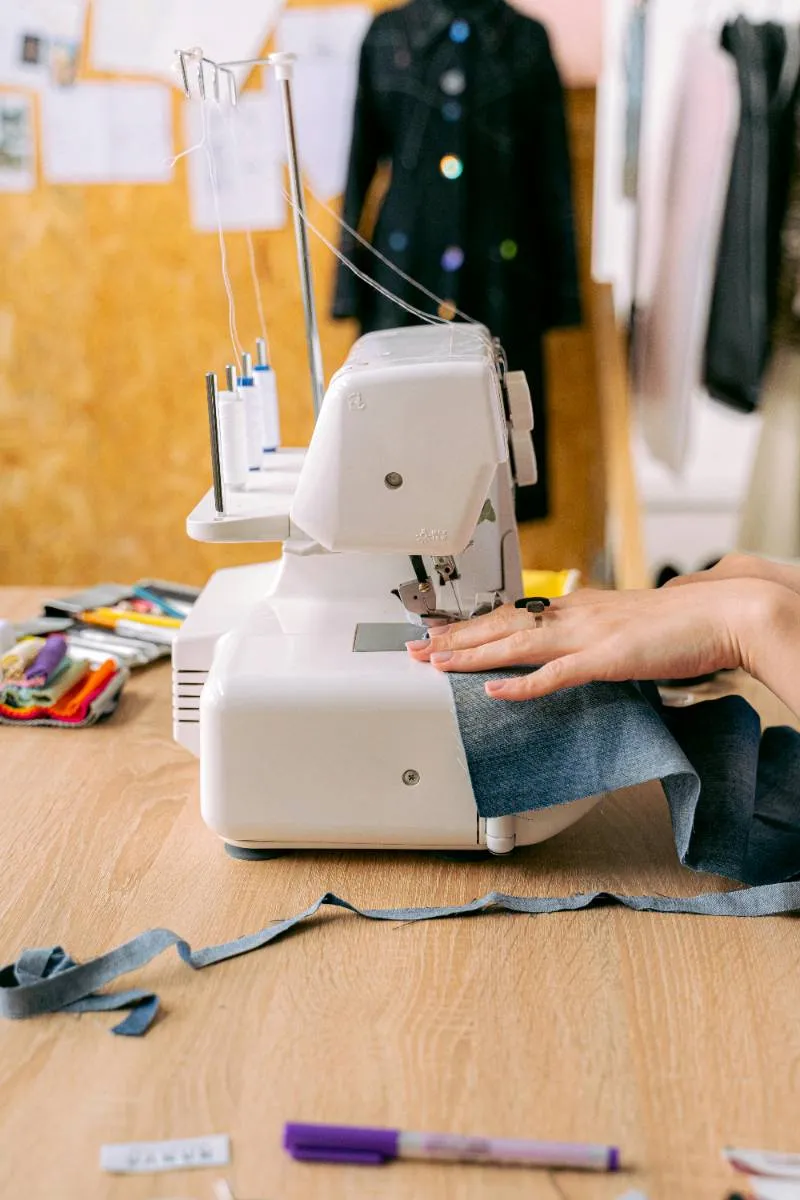
There's something about the garment we bought – the fabric that feels right, the seam that sits just right on the shoulder, the way it reacts to light – that makes us forget the long journey it has taken. We are used to seeing the garment as a finished item, but behind every shirt on the shelf lies a complex story of agriculture, chemistry, engineering, transportation, and human labor.
For decades, this story has been kept behind closed doors. But now, the European Union is changing the rules of the game, and with it, the entire fashion industry's DNA is changing.

Welcome to the era of the "Digital Product Passport" (DPP).
What exactly is a "garment passport"?
Imagine scanning a barcode (QR) or an NFC tag embedded in a shirt, and instead of just seeing a price or basic washing instructions, a "digital passport" opens up before you. A passport that tells the full truth: from which field did the cotton come? What chemicals were used to dye the fabric? What is its durability rating? And most importantly – how can you recycle or repair it at the end of its life?
This is not science fiction. Under the European Union's ESPR (Ecodesign for Sustainable Products Regulation) regulations, starting in 2027, this passport will become mandatory for all textile products sold in the European market.
Why is this happening now?

The numbers tell the story: around 5 million tons of clothes are thrown away in Europe every year. Less than 1% of recycled clothes become new clothes. The linear model of "buy-wear-throw" has reached the Earth's limits. The European Union understands that the only way to transition to a Circular Economy is through radical transparency. If we don't know what a garment is made of, we can never recycle it.
The Challenge: Transparency is the New Engineer
For brands and retailers, this is a paradigm shift. Information that was "buried" in outdated ERP systems or opaque supply chains must now become digital, accessible, and reliable information.
This is where the real challenge begins. Can we create a garment that is born with its passport inside it?
The industry is looking for solutions in three areas:
- Standardization: Moving to a unified language of data (like GS1 standards).
- Tracking technologies: Implementing physical sensors that survive washing and years of use.
- Automation and Smart Manufacturing: Perhaps the most important area. For true transparency, we must know exactly which thread became which fabric. This requires us to move from outdated manufacturing methods that create mountains of waste to precise, digital manufacturing methods (like Yarn-to-Panel), where information flows from the machine to the digital passport in real-time.
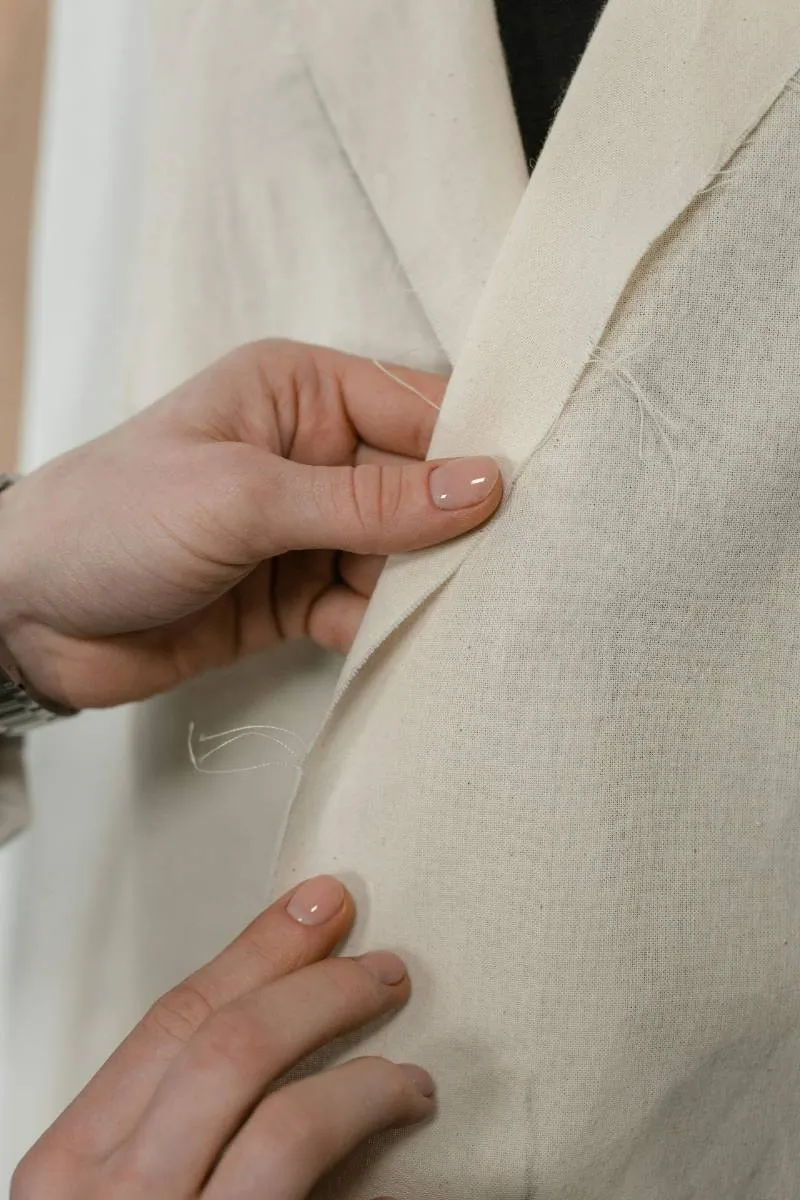
The Trend: Transparency is the New Luxury
Some fear this passport will be a bureaucratic burden. But entrepreneurs and innovation companies see it as an opportunity. Clothing that can "prove" its quality, durability, and ethical sourcing becomes a valuable asset. Brands that embrace this transparency will be the first to build trust with new consumers – a generation that demands proof, not just stories.
The Bottom Line:
The DPP is not just regulation; it's a certificate of responsibility. It forces the industry to look in the mirror and understand what we are producing. For StyleMe and our innovation partners, this is exactly the window we've been waiting for: the shift from blind mass production to smart, planned, and ethical production.
We don't just design clothes; we design their digital memory.
[Links for further reading and additional information:]