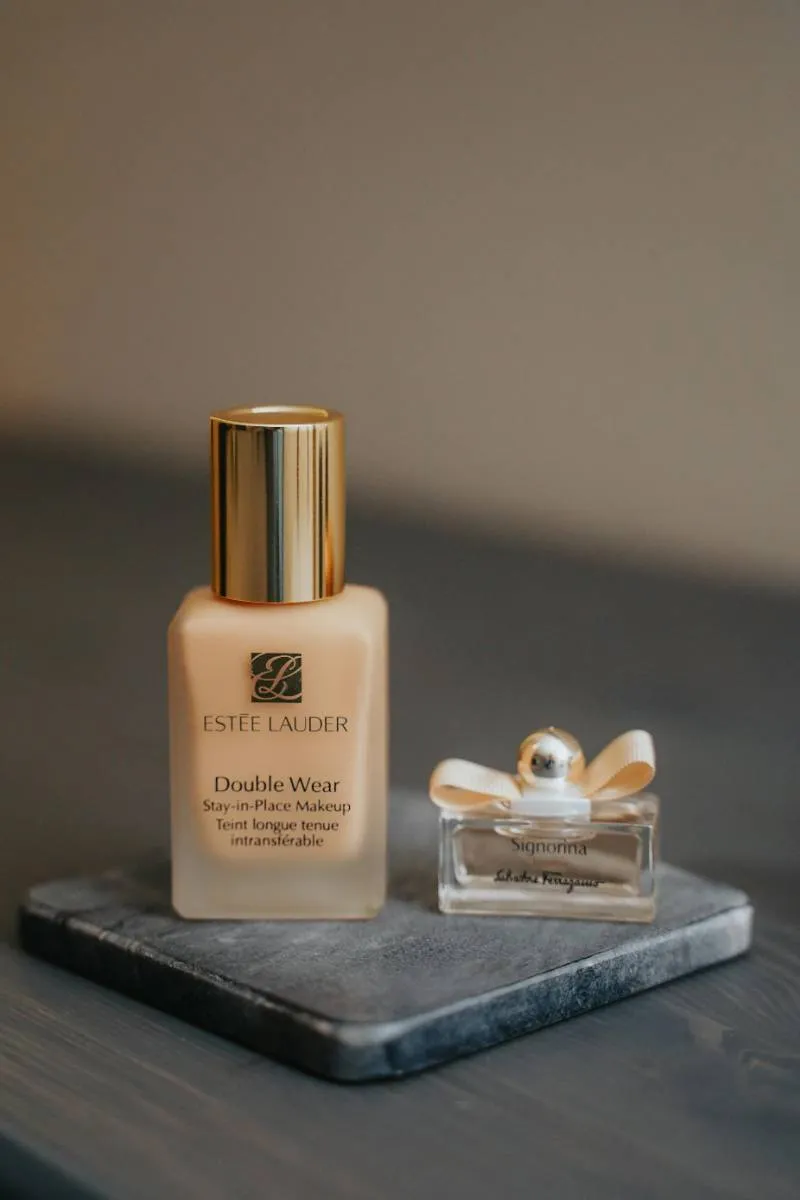
In 1946, within a simple and noisy New York home kitchen, a woman armed with pots, essential oils, and a burning passion began to concoct formulas that would forever change the face of the global beauty industry. Estée (Esther) Lauder, a sharp and insightful woman, understood something her major competitors missed: the creams she concocted in her kitchen held genuine dermatological advantages, far surpassing the meager, heavily perfumed products of the giant companies that dominated the market.
Instead of falling into the usual marketing traps and spending a fortune she didn't have on flashy advertisements, she decided to defy all the rules of the game and explore a subversive and profound psychological concept. This move started small but quickly developed into a massive consumer revolution that proved to the entire world: the power of the human mind and understanding the psyche are stronger than any multi-million dollar advertising budget.
This incredible entrepreneurial story begins from absolute budgetary distress against a concrete competitive wall. Dominating legacy giants like "Revlon" were burning vast sums of money on luxurious fashion productions and huge magazine ads back then. Lauder understood she had no economic chance of winning a traditional advertising war of attrition, so she moved the battleground to the interpersonal arena.
She began infiltrating exclusive charity luncheons and upper-echelon events in New York. There, she personally handed out elegant, miniature jars of her creams to the wealthiest and most influential women in the room. Industry competitors scoffed. They were sure it was a glorious business suicide and a wasteful squandering of expensive inventory. But the young entrepreneur understood something deep about human nature.
The Big Break: Science, Psychology, and the Law of Reciprocity
Success came thanks to the precise marketing application of the psychological "Law of Reciprocity." This law dictates that humans feel a powerful subconscious urge to return a favor when they receive a gift of real value.
- Difference in Approach: Traditional advertising companies tried to explain to distant consumers what to buy through visual manipulation. Estée, on the other hand, let them feel the physical texture and biological effect of the cream directly on their skin – without intermediaries.
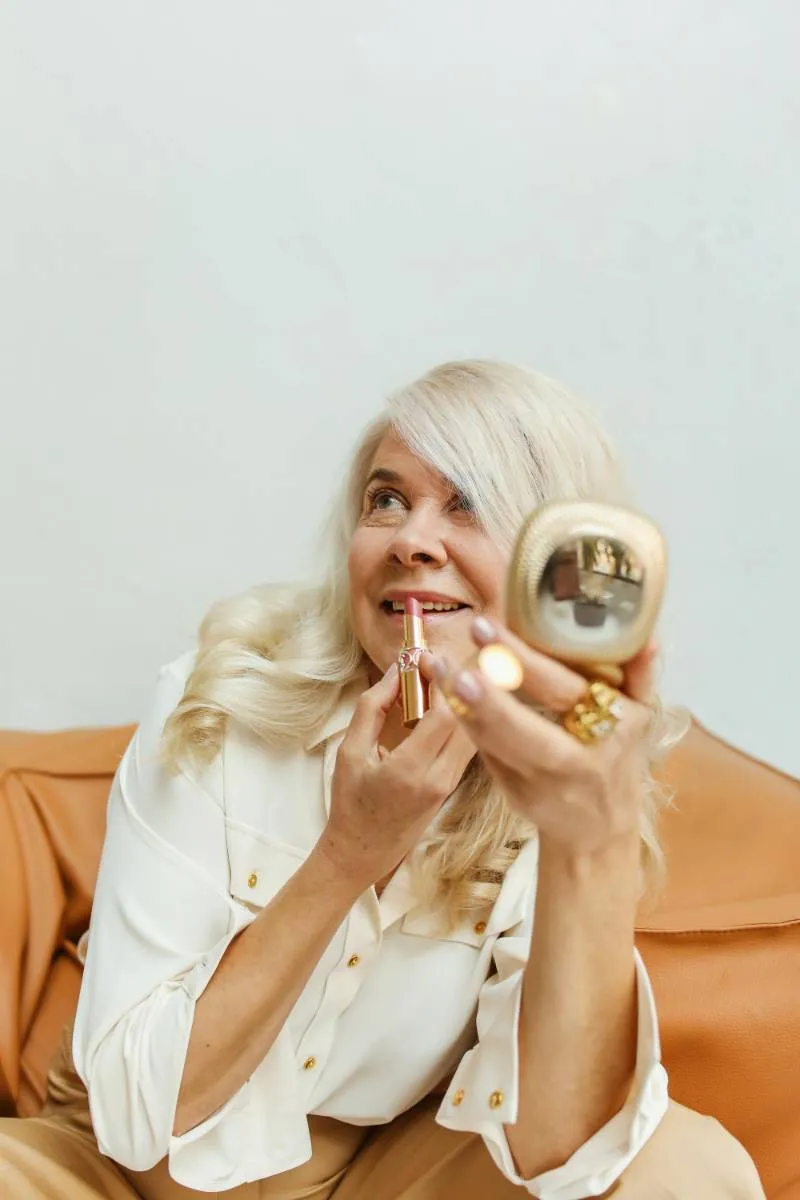
- The result on the ground: This marketing science created a phenomenon of extreme loyalty and word-of-mouth advertising among the social elite.
- The first victory: The immense demand led to the luxury department store "Saks Fifth Avenue" conceding and giving her the first major order. The inventory was completely cleared from the shelves in less than 48 hours.
The scientific backing: Not just scent, but physiology
On a deep technological and dermatological level, the products Estée formulated were not based on gimmicks. Unlike competing products that were diluted with water and alcohol, and loaded with a high concentration of synthetic perfume (which often caused irritation and dryness), her formulas incorporated concentrated nutrients and oils that worked directly to restore the skin barrier.
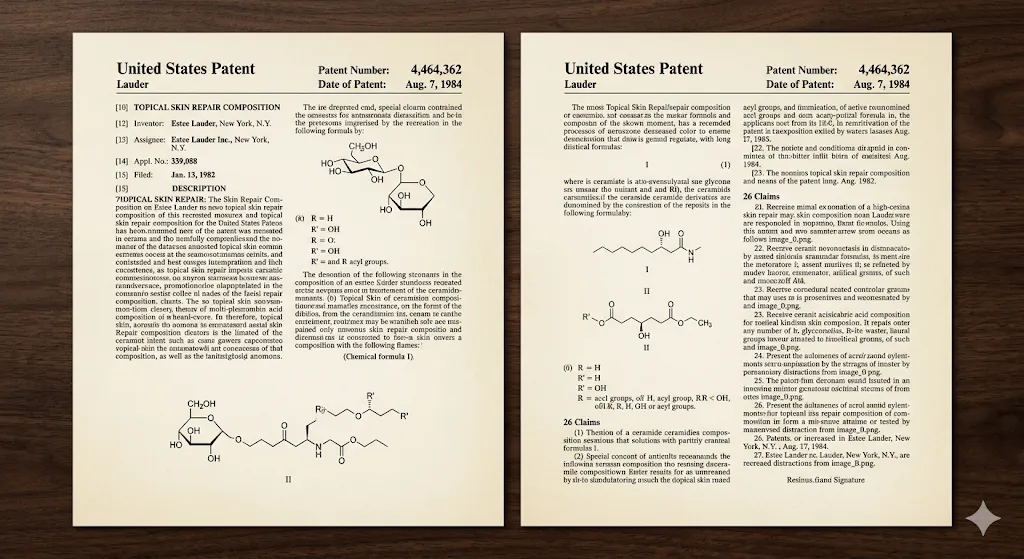
The irrefutable proof of this scientific innovation is well reflected in the company's patent documents. In U.S. Patent (No. 4,464,362), approved to the company later on, one can see how Lauder's scientific vision became groundbreaking intellectual property. The patent presents the development of a "topical skin restorative composition" designed to actively promote DNA repair processes in skin cells and combat aging caused by light damage. The innovation involved the use of biological cultures of bacteria (Bifidobacterium) – proof that advanced biological and cellular research stood behind the cosmetics.
The mass distribution of samples engineered positive conditioning in consumers: The immediate structural improvement in skin texture created a direct link between the brand and a feeling of vitality. The small samples became a powerful scientific conversion engine.
The numbers behind the gamble
The economic analysis of this move shows a phenomenal leap:
- Amazing conversion rate: The decision to distribute a premium product for free turned out to be the most cost-effective and efficient customer acquisition strategy (CAC) in history, with a conversion rate that exceeded 80% among target audiences.
- Zero cost to empire: The home kitchen business grew into a giant empire now worth tens of billions of dollars.
- Sales turnover: When the company went public decades later, the numbers already showed annual sales turnovers exceeding $15 billion.
The Bottom Line for Entrepreneurs
In the end, this amazing story proves what true entrepreneurs implement day after day on the way to disrupting traditional industries: Many times, positive audacity, innovative thinking, and intuitive understanding of people, conquer any bureaucratic system and old establishment. A brilliant mind will always find a way to break through walls – even if it means giving the product away for free to prove it's the best in the world.